


BMD Ltd have been undertaking species monitoring at Priors Hall Park since 2023, predominantly concerned with the ongoing monitoring of the great crested newt populations (a European Protected species). This includes a number of survey methods such as torchlight surveys, egg searching of pond vegetation, netting, use of bottle traps to capture actual newts and also eDNA (Environmental DNA) sampling of pond water. A number of the ponds at Priors hall also supports water shrew which although not specially protected, is a species of conservation interest with their presence indicating ecologically high value ponds. The methods used for great crested newt sampling (particularly use of bottle trap) puts these small mammals at risk and methods should be modified if they are present. It is difficult to prove presence until one is caught in a trap and as such a means of testing water samples for water shrew presence in tandem with great crested newt sampling could aid with early identification and protection of water shrew during newt survey works.
BMD Ltd have recently been supporting SureScreen Scientific in the development of an eDNA sampling approach to identify the presence of water shrew. Records of water shrew exist for ponds at Priors Hall Park and known ponds have been sampled with various sampling kits to assess efficacy of different filters and water volumes.
Sampling methods should be tailored to the species of interest. Due to the small amount of DNA released by water shrew, the optimal type and size of the filter need to be determined, alongside the use of targeted sampling. Working alongside field ecologists with knowledge of the habitat, species records, and access to known positive sites is essential for successful field validation.
SureScreen Scientifics are leading the assay development, with BMD Ltd providing valuable field support and access to monitoring sites at U&C’s Priors Hall Park. This collaboration enables practical evaluation of the assay under real-world conditions and supports the refinement of sampling methods to improve detection success for this ecologically important species.
Jennifer Higginbottom,
Forensic Ecologist, Surescreen Scientifics
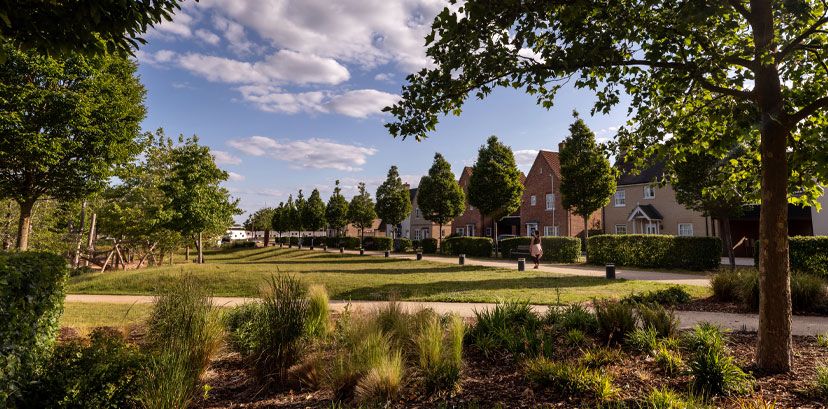
Being able to assist with the development of appropriate sampling methods for key conservation species is fantastic and demonstrates the true value of large scale green infrastructure corridors within strategic sites. These large areas not only provide extensive open space but also support the ecosystems that protected and notable species depend on.
James Patmore,
Director of Ecology, BMD Ltd
Values